How To Find Affiliate Marketers For Your Product
Are you ready to unlock the full potential of your product and take your business to new heights?
If so, you're in the right place. Welcome to the ultimate guide on how to find affiliate marketers for your product.
As you may have discovered by now, traditional marketing methods can only take you so far.
To truly thrive and expand your reach, you need to tap into vast networks of influencers, bloggers, and content creators who are eager to promote products they believe in.
But finding the right affiliates for your product isn't always easy. It requires careful planning, strategic outreach, and a deep understanding of your target audience.
In this comprehensive guide, I'll walk you through everything you need to know to find and recruit top-notch affiliates who can help you skyrocket your sales and achieve your business goals.
So, if you're ready to take your product to the next level and unleash its full potential, let's dive in and discover the potential of hiring affiliate marketers.
Disclosure: Some of the links I share might be affiliate links. If you click on one and make a purchase, I may earn a small commission as a thank you. But don’t worry, it won’t cost you anything extra. I only recommend stuff I genuinely believe in. Your support helps me keep creating awesome content. You can read my full affiliate disclosure in my disclaimer page.
If you want to save a lot of hours searching for high-paying affiliate programs, check out our exclusive list of 2500+ affiliate programs. You’ll find all the information about the programs inside the list. This list is perfect for affiliate bloggers and influencers.
Understanding The Importance Of Affiliate Marketers
Affiliate marketers are the unsung heroes of modern marketing. They're the driving force behind many successful businesses, helping brands reach new audiences, drive sales, and boost revenue.
But what exactly makes affiliate marketers so important?
First and foremost, affiliate marketers bring credibility and authenticity to your brand.
Unlike traditional advertisements, which can often come across as salesy or promotional, affiliate marketing relies on genuine recommendations from trusted sources.
When an affiliate recommends your product or service to their audience, it's seen as a personal endorsement, and that carries a lot of weight.
Furthermore, affiliate marketers have access to vast networks and communities that may be out of reach for many businesses.
Whether it's niche blogs, social media followings, or email lists, affiliates have built loyal audiences who trust their recommendations.
By partnering with affiliates, businesses can tap into these networks and leverage their influence to reach new customers.
Another key benefit of affiliate marketing is its cost-effectiveness.
Unlike traditional advertising channels, where businesses pay upfront for exposure, affiliate marketing operates on a performance-based model.
This means you only pay for results: whether that's clicks, leads, or sales. This makes it a low-risk, high-reward strategy for businesses of all sizes.

Defining Your Ideal Customer Persona
Before you can effectively recruit affiliate marketers, you need to have a clear understanding of who your target audience is.
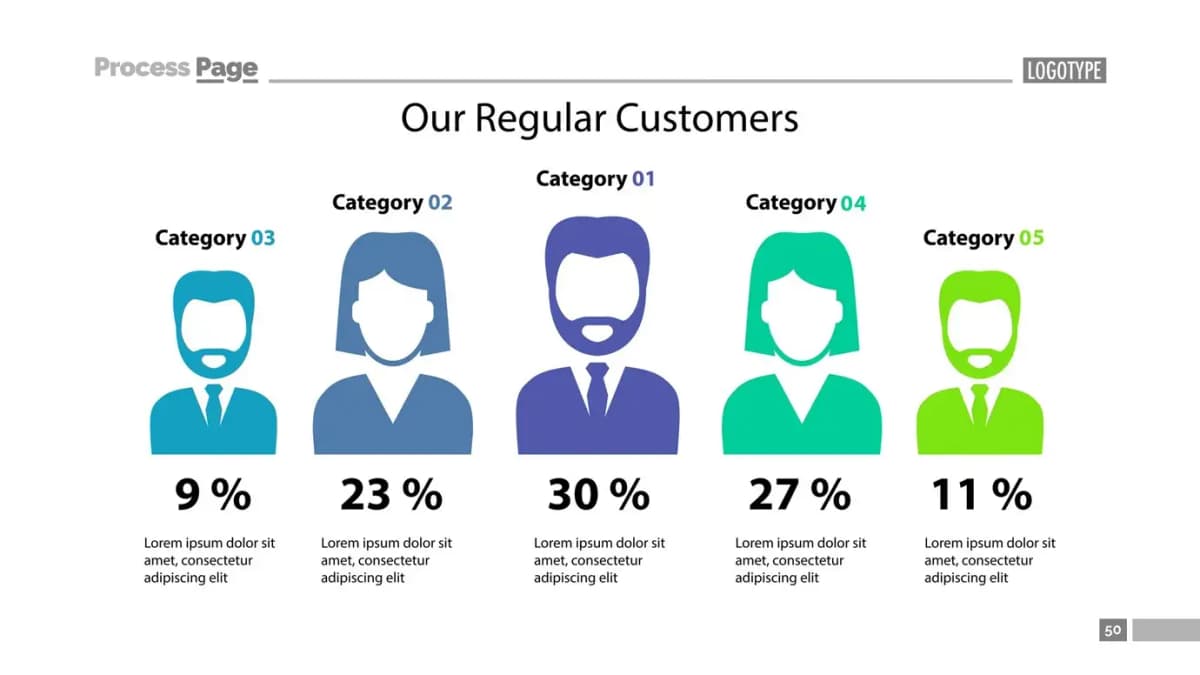
This starts with defining your ideal customer persona: a semi-fictional representation of your ideal customer based on market research and real data.
To create your ideal customer persona, start by gathering information about your existing customers.
What are their demographics, such as age, gender, income level, and location? What are their psychographics, such as interests, hobbies, values, and lifestyle?
The more detailed and specific you can be, the better.
Understanding Customers' Needs and Preferences
Once you've defined your ideal customer persona, next step is to understand their needs and preferences.
What motivates them to make a purchase, and what factors influence their decision-making process?
You need this data so that you can provide detailed information to your affiliate marketers, which in turn will help them to target the right audience.
Start by conducting market research to gain insights into the needs and preferences of your target audience.
This could involve surveys, focus groups, interviews, or analysis of existing data.
Look for patterns and trends that can help you identify common pain points and desires among your audience.

Crafting An Irresistible Offer
Crafting an irresistible offer is key to attracting top-notch affiliate marketers who will enthusiastically promote your product.
In order to do this, you need to identify and highlight the unique selling points (USPs) of your product.
What sets it apart from similar offerings in the market?
Whether it's innovative features, superior quality, or exceptional value for money, make sure to showcase what makes your product special.
Emphasize the benefits and advantages that customers will experience by using your product, and explain why it's a must-have for your target audience.
It's also important to consider the communication preferences of your target audience. How do they prefer to receive information, and what channels do they use to engage with brands?
Whether it's social media, email, blogs, or other channels, make sure your affiliate marketing efforts are aligned with the preferences of your audience.

Researching Potential Affiliates
One of the most efficient ways to find potential affiliates is by utilizing affiliate networks and platforms.
These online marketplaces connect businesses with a vast network of affiliate marketers, making it easier to find partners who are actively seeking opportunities to promote products in your niche.
Browse through affiliate networks such as PartnerStack, Awin, or CJ Affiliate, and explore categories and filters to narrow down your search based on your specific criteria.
Look for affiliates with relevant experience, audience demographics, and engagement levels that align with your target market.

Reaching Out To Potential Affiliates
When reaching out to potential affiliates, generic, one-size-fits-all messages won't cut it.
Instead, take the time to craft personalized outreach messages that demonstrate your genuine interest in collaborating and highlight the unique value proposition of your product or service.
Start by addressing the affiliate by name and expressing your appreciation for their work or content.
Show that you've done your homework by referencing specific examples of their work or areas of expertise that align with your brand.
This personal touch will help your message stand out and show that you value their partnership.
Next, clearly communicate the benefits of partnering with your brand. Highlight the unique selling points of your product or service and explain how it can provide value to their audience.
Whether it's exclusive discounts, high commission rates, or access to special promotions, make sure to emphasize what's in it for them.
Finally, end your message with a clear call to action, whether it's inviting them to join your affiliate program, scheduling a call to discuss partnership opportunities, or simply requesting feedback on your product or service.
By making it easy for potential affiliates to take the next step, you increase the likelihood of a positive response.

Providing Necessary Resources To Marketers
One of the most important resources you can provide to affiliates is marketing materials.
These include banners, images, product descriptions, email templates, and social media posts that affiliates can use to promote your products to their audience.
When creating marketing materials, keep in mind the needs and preferences of your affiliates, as well as those of your target audience.
Make sure to materials are visually appealing, easy to customize, and aligned with your brand's messaging and tone.
Providing a variety of options allows affiliates to choose the materials that best suit their audience and promotional channels.
In addition to traditional marketing materials, consider offering affiliates exclusive discounts, promotional codes, or special offers that they can use to incentivize their audience to make a purchase.
These exclusive incentives can help affiliates stand out from the competition and increase their conversion rates.

Choosing The Right Affiliate Tracking Software
One of the first decisions you'll need to make when setting up your affiliate program is choosing the right affiliate tracking software.
This software will be the backbone of your program, enabling you to track affiliate sales, manage commissions, and monitor performance metrics.
When selecting affiliate tracking software, consider factors such as features, reliability, scalability, and cost.
Look for a platform that offers robust tracking capabilities, an intuitive user interface, and comprehensive reporting tools.
It should also integrate seamlessly with your existing systems and provide reliable support to troubleshoot any issues that may arise.
Popular affiliate tracking software options include AffiliateWP, PartnerStack, Awin, and Post Affiliate Pro.
Take the time to research and compare different platforms to find the one that best meets your needs and budget.

Tracking & Analyzing Performance
Tracking and analyzing performance is essential for optimizing your affiliate program and maximizing your return on investment.
By monitoring key performance metrics and analyzing data insights, you can identify strengths, weaknesses, and opportunities for improvement.
The cornerstone of performance tracking is monitoring affiliate sales and conversions.
Your affiliate tracking software should provide real-time visibility into affiliate activity, including clicks, leads, sales, and conversion rates.
Keep a close eye on affiliate performance metrics such as conversion rate, average order value, and customer lifetime value to gauge the effectiveness of your affiliates' promotional efforts.
Identify top-performing affiliates and analyze their strategies to uncover insights and best practices that can be replicated across your program.

Building Long-Term Relationships
Building long-term relationships with your affiliates is essential for fostering loyalty, maximizing performance, and driving sustainable growth.
Recognizing and rewarding top-performing affiliates is key to incentivizing continued success and maintaining motivation.
Consider implementing a tiered commission structure or offering performance-based bonuses to incentivize affiliates to strive for excellence.
Additionally, providing exclusive perks or rewards, such as early access to new products or special promotional opportunities, can make affiliates feel valued and appreciated for their efforts.
By acknowledging and rewarding their contributions, you can strengthen your relationship with top-performing affiliates and encourage them to continue delivering outstanding results.

Expanding Your Affiliate Network
Expanding your affiliate network is essential for reaching new audiences, diversifying your promotional channels, and driving continued growth.
The affiliate marketing landscape is constantly evolving, with new influencers, content creators, and digital channels emerging all the time.
Stay proactive in your search for new affiliates by actively scouting potential partners, attending industry events, and monitoring relevant online communities and social media platforms.
Be on the lookout for individuals or organizations whose values, audience demographics, and promotional strategies align with your brand, and don't be afraid to reach out and initiate partnerships proactively.
By continuously seeking out new affiliates, you can expand your reach, tap into new markets, and stay ahead of the competition.

Measuring Success Of Affiliate Program
To effectively measure the success of your affiliate program, you need to set clear key performance indicators (KPIs) and evaluate the return on investment (ROI) of your efforts.
Before you can measure success, you need to define what success looks like for your affiliate program.
This starts with setting clear and measurable KPIs that align with your business objectives. KPIs can vary depending on your goals, but common metrics to consider include:
- Sales and revenue: Track the number of sales generated through your affiliate program and revenue generated from those sales.
- Click-through rate (CTR): Monitor the percentage of clicks generated by affiliate links relative to the number of impressions or views.
- Conversion rate: Measure the percentage of visitors who complete a desired action, such as making a purchase or signing up for a newsletter, after clicking on an affiliate link.
- Customer acquisition cost (CAC): Calculate the cost of acquiring a new customer through your affiliate program, taking into account commissions paid to affiliates and other associated costs.
- Lifetime value (LTV): Estimate the long-term value of customers acquired through your affiliate program, including their potential repeat purchases and referrals.
By setting clear KPIs and regularly monitoring your performance against these metrics, you can track the success of your affiliate program and make data-driven decisions to optimize your strategies for better results.

Addressing Conflicts & Checking Fraudulent Activities
Conflicts with affiliates can arise for various reasons, whether it's disagreements over commissions, disputes over promotional tactics, or misunderstandings about program terms and conditions.
However, addressing these conflicts promptly and effectively is essential for maintaining positive relationships with your affiliates and preserving the integrity of your program.
Start by establishing clear communication channels and protocols for addressing conflicts and grievances.
Encourage open and transparent communication between you and your affiliates, and provide avenues for them to voice their concerns and feedback.
Listen actively to their perspectives and strive to find mutually beneficial solutions that address their needs while aligning with your business objectives.
It's also important to have clear and enforceable terms and conditions for your affiliate program.
Clearly outline the rules, expectations, and responsibilities of both parties, and ensure that affiliates understand and agree to these terms before joining the program.
By setting clear expectations from the outset, you can minimize misunderstandings and conflicts down the line.
In cases where conflicts cannot be resolved amicably, be prepared to take decisive action to protect the interests of your business and your affiliate program.
While conflict resolution can be challenging, addressing conflicts proactively and professionally is essential for maintaining a positive and productive relationship with your affiliates.

Staying Updated With Trends
The affiliate marketing industry is constantly evolving, with new technologies, platforms, and trends emerging at a rapid pace.
To stay ahead of the curve, it's essential to stay informed about the latest developments and changes in the industry.
One way to stay updated is by regularly reading industry publications, blogs, and news sites that cover affiliate marketing.
These sources often provide valuable insights into emerging trends, best practices, and case studies from industry experts and practitioners.
Attending industry conferences, webinars, and networking events is another effective way to stay abreast of changes in the affiliate marketing landscape.
These events provide opportunities to learn from industry leaders, connect with peers, and gain valuable insights into the latest trends and developments.
Additionally, joining online communities and forums dedicated to affiliate marketing can provide valuable opportunities to learn from others, share experiences, and stay informed about industry news and updates in real-time.

Creating SEO-Friendly Content For Affiliates
Keywords are the foundation of SEO, and incorporating relevant keywords into your affiliate marketing content is essential for improving your search engine rankings and attracting more organic traffic.
Start by conducting keyword research to identify relevant keywords and phrases related to your product and niche.
Look for keywords with high search volume, low competition, and strong relevance to your target audience.
Consider long-tail keywords, which are longer and more specific phrases that often have less competition but can be highly relevant to your audience.
Once you've identified your target keywords, incorporate them strategically into your affiliate marketing content, including product descriptions, blog posts, reviews, and social media updates.
Be sure to use keywords naturally and organically within your content, avoiding keyword stuffing or over-optimization, which can harm your search engine rankings.

Providing Training To Affiliates
In addition to providing marketing materials, it's important to offer ongoing support and training to help affiliates maximize their success.
Many affiliates are new to affiliate marketing or may not be familiar with your product or industry, so providing guidance and resources can help them hit the ground running.
Consider hosting regular webinars, workshops, or one-on-one coaching sessions to provide affiliates with training on how to effectively promote your products, optimize their marketing strategies, and track their performance.
Provide resources such as tutorials, guides, and FAQs to answer common questions and address any challenges affiliates may encounter.
Offering personalized support and feedback can also go a long way in helping affiliates succeed.
Be responsive to their questions and concerns, provide constructive feedback on their marketing efforts, and offer guidance on how they can improve their performance.
By investing in their success, you foster a sense of loyalty and commitment among affiliates, leading to stronger partnerships and better results for everyone involved.
Final Thoughts On Finding Affiliate Marketers
Affiliate marketing offers a unique opportunity for businesses to tap into vast networks of influencers, bloggers, and content creators who can help amplify their marketing efforts and reach new audiences.
By leveraging the influence and reach of affiliate marketers, businesses can drive targeted traffic, increase brand visibility, and boost sales in a cost-effective and scalable manner.
Affiliate marketing operates on a performance-based model, meaning you only pay for results, making it a low-risk, high-reward strategy for businesses of all sizes.
Furthermore, affiliate marketing brings credibility and authenticity to your brand, as recommendations from trusted sources carry significant weight with consumers.
By partnering with affiliates who align with your brand values and ethos, you can build trust and credibility with your target audience, leading to increased loyalty and repeat business.